

PATIENT INFORMATION
-
What to Expect at Your First Appointment
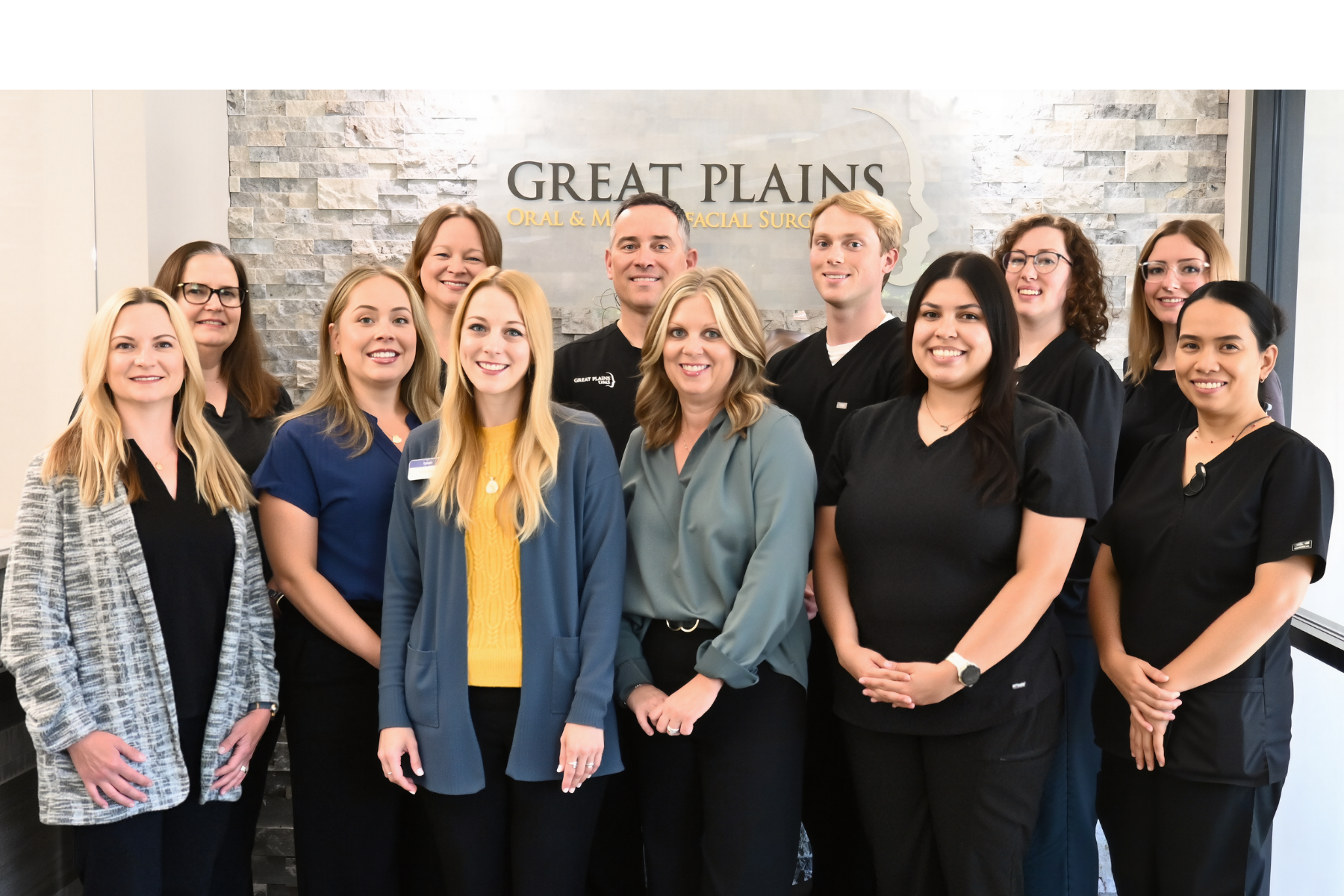
Dr. Nielson and the GPOMS team make your first oral and maxillofacial dentistry appointment convenient, inviting, and comfortable. Our warm, caring team will listen to your concerns and discuss your treatment options as well as answer any questions you may have. Fees for treatment will be discussed and treatment will take place or be scheduled for an appropriate time. For patients under age 18, a parent or legal guardian is required to accompany patients at every visit.
Expedite your visit by providing the following:
Referral slip, completed by the referring dentist.
Photo identification.
Current medication list.
Insurance identifications for active medical and dental benefit plans.
A preoperative consultation and physical examination is mandatory by state and national standards for patients undergoing IV anesthesia. Remember, nothing to eat or drink after midnight before your surgery. You will also need an adult (person older than age 18) to accompany you, stay the duration of the surgery, and drive you home.
Please alert the office if you have a medical condition or change in your medical history that may be of concern prior to surgery (i.e., diabetes, heart murmur, high blood pressure, artificial heart valves and joints, rheumatic fever, etc.) or if you are currently taking any medication (i.e., heart medications, aspirin, anticoagulant therapy, etc.).
X-Rays
We will work with your dentist to acquire recent dental x-rays. In some instances updated or higher-quality x-rays are required for diagnosis and treatment; our helpful team is able to take any x-rays you may need as requested by Dr. Nielson.
At Great Plains OMS, your goals are our goals. Please contact us with any questions you may have prior to your first visit.
-
Make Your Recovery a Success
As you have just completed a significant surgical procedure, success and comfort is reliant on your compliance with post-operative care instructions.
Immediately Following Oral Surgery
The gauze pad placed over the surgical area should be kept in place for a minimum of half an hour, even if it has a red color. After this time, if not bleeding, it is OK to remove the pad.
Vigorous mouth rinsing or touching the wound area following oral surgery should be avoided. This may dislodge the blood clot that has formed and lead to infection or “dry socket.”
Take the prescribed pain medications before you feel discomfort and after light meal. This will usually coincide with the local anesthetic becoming diminished.
Restrict any strenuous activities or driving the day of surgery and no driving while taking narcotic pain relievers. Resume normal activity when you feel comfortable, usually after 72 hours if tolerated.
Ice packs may be placed to the sides of your face where the oral surgery was performed, with a tea towel covering an ice pack for 20 minutes on and 20 minutes off routine. This is recommended for the first 48 hours.
Bleeding
A certain amount of minor bleeding is to be expected for 45 following oral surgery. Slight bleeding, oozing, or redness in the saliva is not uncommon. This type of bleeding may be controlled by first rinsing or wiping any old clots from your mouth, then placing a MOIST gauze pad over the area and biting firmly for a minimum of thirty minutes. Repeat if necessary. If bleeding persists, bite on a moistened tea bag for thirty minutes. The tannic acid in the tea bag helps to promote blood clots. To minimize further bleeding, sit upright, do not become excited, and avoid exercise. If bleeding does not subside or is excessive, call our office (913.780.3100) to speak to a member of our surgical staff.
Pain
For expected mild to moderate pain, our office recommends a non-narcotic regimen of NSAIDs, like Ibuprofen (Advil), combined with Acetaminophen (Tylenol), every six hours. We also recommend, for maximum effect of these agents, to take them for the first 48 hours on a 6-hour schedule, despite your level of pain. Dr. Nielson will evaluate your medical history and medications and prescribe a specific protocol that will be given to you in written form at your appointment. We do not recommend Tylenol as a single agent for non-narcotic pain control, unless your dentist/physician has directed you not take Advil or aspirin due to a medical condition.
For severe pain, despite taking the non-narcotic medications, you can take the narcotic tablets if prescribed. The prescribed pain medicine may make you groggy and will slow down your reflexes. You must take the narcotic medication as prescribed. Do not drive an automobile, sign legal documents, work around machinery, and avoid any alcoholic beverages, if taking narcotic pain medications. Pain and discomfort following oral surgery is expected and the goal is not to eliminate all pain, but to keep it manageable. Pain usually peaks post operative day 3-4, but low-level pain or soreness can be normal for 7 days. If pain persists, and you feel it requires attention and evaluation by one of our doctors, please call us at 913.780.3100.
Swelling
Swelling is normally expected, and is usually related to the complexity of the oral surgery performed. Swelling around the mouth, cheeks, eyes, and sides of the face is not uncommon. The swelling will develop usually on post op day one and peak between days 3-5. However, the swelling may be minimized by the immediate use of ice packs. Zip top storage bags filled with ice, bag of frozen peas, or purchased ice packs should be applied to the skin of the face where oral surgery was performed. The ice packs should be left on an AWAKE patient for 20 minutes, then removed for 20-30 minutes. After 48 hours, ice has no beneficial effect. If stiffness of the jaw joint develops, the application of moist heat to the side of the face affected can limit the discomfort and decreased range of motion of your jaw joint.
Diet
After general anesthetic or IV sedation, liquids should be initially taken slowly. Drink from a glass or spoon, and avoid use of straws. When your body feels like it, you may start eating a soft diet, making sure to chew away from the surgical sites. High calorie, high protein intake is very important. Nourishment should be taken in small amounts, and regularly. Even with your best efforts, your food intake will be limited for the first few days. During this period you should prevent dehydration by taking fluids regularly. At least 5-6 glasses of liquid should be taken daily. Despite how little you eat, try not to miss a single meal. You WILL feel better, have more strength, less discomfort, and heal faster.
Keep the mouth clean
No rinsing of any kind should be performed until the day following the oral surgery. You can brush your teeth the night of the oral surgery but rinse gently. The day after the oral surgery you should begin rinsing at least four times a day gently, especially after meals, with an 8 oz. cup of warm water mixed with 8-10 shakes from the salt shaker.
Bruising
Discoloration of the skin follows swelling and is expected. The development of black, blue, green, or yellow discoloration is due to blood spreading beneath the tissues. This is a normal post-operative occurrence, which may occur 2-3 days post-operatively. Moist heat applied to the area may speed up the removal of the discoloration, after the second post-operative day.
Antibiotics
If you have been placed on antibiotics, take the entire course of antibiotics as directed. Antibiotics will be given to help prevent or treat infection. Discontinue antibiotic use in the event of any trouble breathing, rash, or other unfavorable reaction. Call the office immediately (913.780.3100), if these symptoms arise and/or you have any questions.
Nausea and Vomiting
In the event of nausea and/or vomiting following oral surgery, do not take anything by mouth for at least an hour including the prescribed medicine. You should then sip on pear juice, coke, tea, or ginger ale. You should sip slowly over a fifteen-minute period. When the nausea subsides you can begin taking solid foods and the prescribed medicine. If you have more than one episode of vomiting, please call the office to inform us (913.780.3100).
Caution: You may become dizzy or light headed upon suddenly sitting up or standing from a lying position. If possible have someone monitor you upon sitting up and make sure you sit for one minute before standing.
Other Complications
If numbness of the lip, chin, or tongue persists after the first day of oral surgery, there is no cause for alarm. As stated before oral surgery, this is usually temporary in nature. You should be aware that if your lip or tongue is numb, you could bite it and not feel the sensation. Call our office and report this issue.
Slight elevation of temperature immediately following oral surgery is not uncommon. If the temperature persists beyond 24 hours, notify the office. Tylenol or ibuprofen should be taken to reduce the fever.
As you heal, occasionally you may feel hard projections in the mouth with your tongue. Do not touch them with your fingers and do your best to avoid your tongue. They are not roots; they are small pieces of the bone, which supported the tooth. These projections usually smooth out in couple of weeks, but if troublesome please contact the office.
If the corners of your mouth are stretched, they may dry out and crack. Your lips should be kept moist with a new, clean lip balm, or ointment.
Sore throats and pain when swallowing are not uncommon. The muscles get irritated and swollen. This will subside in 3-4 days.
Finally
If sutures were placed during your oral surgery, Dr. Nielson most commonly utilize dissolving sutures (stitches) unless you are informed otherwise. This is done in the area of oral surgery to minimize post-operative bleeding and to direct healing. Sometimes they become dislodged; this is no cause for alarm. Just remove the suture from your mouth and discard it. The sutures will be adsorbed within approximately one week after oral surgery and require no removal.
The pain and swelling should subside more and more each day following oral surgery. If your post-operative pain or swelling worsens suddenly or unusual symptoms occur call our office for instructions.
There will be a “hole” where the tooth was removed. The cavity will gradually close over the next couple of months, filling in with the new tissue at the deepest portion first. In the mean time, the area should be kept clean especially after meals with salt-water rinses or a toothbrush.
Every case and patient are individual, therefore, be cautious accepting well-intended advice from friends, family, or co-workers. Please use Dr. Nielson and his highly trained staff to guide you through any post-operative issues. We are not done treating you until you are healed!
Brushing your teeth is okay starting the day after oral surgery – just be gentle at the surgical sites.
If symptoms of increasing pain at the surgical site and even pain to the ear occur 3-4 days following oral surgery, you may be developing a “dry socket.” A dry socket is when the blood clot gets dislodged prematurely from the tooth socket. Call the office if this occurs.
If you are involved in regular exercise, be aware that your normal nourishment intake is reduced. Exercise may weaken you. If you get light headed, stop exercising.
Implant: in addition to basic post-op instructions above.
Avoid rinsing, spitting, or touching the wound on the day of oral surgery. There may be a metal healing abutment protruding through the gingival (gum) tissue; do not disturb the surgical site.
Partial dentures, flippers, or full dentures should not be used immediately after oral surgery and for at least 10 days, unless instructed otherwise.
Multiple Teeth: in addition to basic post-op instructions above.
If immediate dentures have been inserted, sore spots may develop. In most cases, your general dentist will see you within 24-48 hours after oral surgery and make the necessary adjustments to relieve those sore spots. Failure to do so may result in severe denture sores, which may prolong the healing process.
If you have questions please call us at 913.780.3100.
-
Insurance Solutions
The staff at Great Plains OMS will work closely with you to ensure you receive the best care possible throughout your oral and maxillofacial treatments. We will assist you in navigating your dental benefits and file claims for treatment.
Furnish your benefits information when calling to schedule your appointment. We will begin the process of gathering the details for you so we can help explain any benefits and what your estimated out-of-pocket costs will be. Remember to bring both dental and medical benefits cards and other related information with you to your appointment so that all necessary documentation can be prepared to file your claim. These initial steps will help ensure all subsequent documentation is filed in a timely manner.
Should you have any questions regarding what benefit plans we accept or other insurance related questions, don’t hesitate to call us at 913.780.3100.
We currently are In Network with the following insurance carriers:
Cigna
Delta Dental
Humana
Metlife
-
Focus on Your Recovery, Not Your Finances
Great Plains OMS strives to deliver the finest care at the most reasonable cost to our patients. A variety of payment methods are accepted including: Care Credit®, all major credit cards, FSA/HSA cards, checks, and cash.
Let our knowledgeable, dedicated financial team help you navigate your oral surgery benefits coverage. After gathering the necessary information, you will receive an estimate for care. Deductible, co-payment, and non-covered service fees are due at the time of surgery.
We are happy to help you with any questions regarding your benefits, claims, or account. We can be reached at: 913.780.3100.
Oral Surgery Financing
We are pleased to accept the CareCredit health, wellness, and beauty credit card. CareCredit lets you say “Yes” to recommended surgical dental procedures, and pay for them in convenient monthly payments that fit your personal financial situation.
CareCredit is a healthcare credit card that helps you pay for treatment and procedures for you or your family that may not be covered by insurance. With financing options* you can use your CareCredit card again and again for your dental surgery needs, as well as at 200,000 other healthcare providers, including dentists, optometrists, veterinarians, ophthalmologists, and hearing specialists.
It’s free and easy to apply and you’ll receive a decision immediately. If you’re approved, you can schedule your procedures even before you receive your card.
*Subject to credit approval. Minimum monthly payments required. Visit www.carecredit.com for details.